

Why a Solana Browser Wallet Actually Matters (And How I Choose One)
Whoa!
I used to treat wallets like a necessary nuisance. They felt like just another password manager for crypto. Then one afternoon something clicked while I was moving an NFT between marketplaces and the whole flow stalled. My instinct said „this is fragile“—and that gut feeling pushed me to dig deeper into Solana wallets and browser extensions. Initially I thought any extension would do, but then I realized that UX, security defaults, and network handling vary a lot across options.
Seriously?
Yeah, really. The difference between a smooth swap and a failed transaction often comes down to how the wallet handles transaction signing and timeouts. Short-term hiccups are annoying. Long-term habits can cost you real money though. On one hand convenience is king; on the other hand—if your wallet auto-approves approvals or is poorly sandboxed—you’re exposed.
Hmm…
Here’s what bugs me about many wallet setups: they pretend to be simple but hide critical settings under layers of menus. I remember opening a wallet (not naming names) and hunting for basic RPC controls for ten minutes. That part bugs me. I’m biased, but I prefer wallets that let me tune network endpoints without somethin‘ cryptic going on behind the scenes.
Okay, so check this out—
Workflows matter. If you’re an NFT collector you need metadata fast. If you’re a DeFi trader you need reliable fee estimation. If you’re a developer you want devnet and custom RPC switches. These are different priorities. A single wallet can’t be the best at everything, though some extensions strike a useful middle ground by offering sensible defaults and advanced options tucked away.
How I Evaluate a Solana Wallet Extension
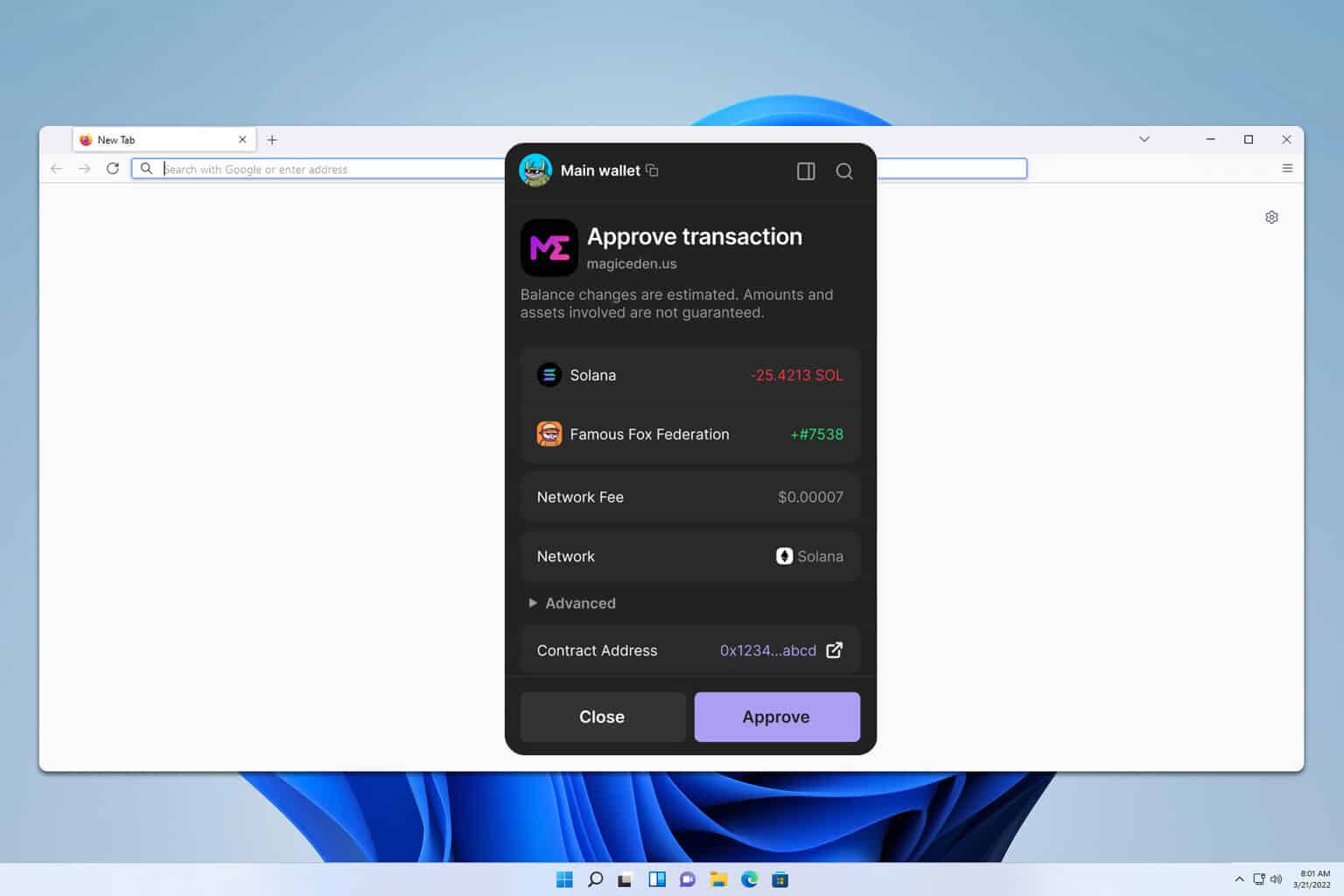
I like to look at three things first: permission model, transaction preview quality, and how easily I can restore my account. Permission models should ask for the minimum they need. Transaction previews should clearly list instructions and accounts involved. And recovery needs to be clear so I’m not sweating an accidental device loss.
Seriously?
Yes, because a misleading permission prompt can result in a token approval that lets a scam dapp drain you. So check the explicit approval flows. Also—watch out for „approve all“ prompts from random sites. They’re tempting when you’re lazy, but they’re dangerous. My habit is to open permissions and revoke any odd allowances after a session; it’s annoying but effective.
Whoa!
Practical tip: I keep a small test wallet for spicy interactions and a main wallet for long-term holdings. I use hardware where possible, though hardware integration with browser extensions on Solana can be uneven. Honestly, that’s a friction point in the ecosystem—hardware support should be smoother, but it is what it is.
One more thing—
Linking your mobile experience and extension matters. Mobile wallets and browser extensions often handle deep links differently, so if you plan to use Phantom on desktop and a companion mobile app, test the continuity. I grabbed the phantom wallet download extension for a project; the install was painless, but I still checked permissions and RPC choices before moving funds.
Initially I thought a flashy UI meant better security, but then I realized that polished interfaces can hide risky automations. Actually, wait—let me rephrase that: good UX can protect users when it’s designed with conservative defaults, but pretty buttons alone are not enough. On some wallets, the „sign“ button hides a complex transaction that bundles additional instructions, and I prefer a wallet that expands each instruction so I can see what I’m approving.
Whoa!
Performance is underrated. Some extensions hog memory or slow down the browser tab that triggered a transaction. If your wallet extension lags at signing time, you get stuck with expired signatures and failed transactions. That reflexively makes me switch to a lighter option during heavy trading sessions. It’s practical, not glamorous.
Here’s the thing.
Community trust and open-source history matter to me. If a wallet publishes audits, responds to bug reports publicly, and keeps an active changelog, that’s a plus. But community hype can be misleading. High user counts don’t guarantee secure defaults, and small projects can be more responsive. On the other hand, big wallets often have better integrations and ecosystem support.
Hmm…
Backup habits are boring but crucial. Write down your seed phrase offline. Test your recovery on a throwaway account before you rely on it. I’m not 100% sure everyone reads the fine print when restoring from a seed, so I usually walk a friend through it—step by step—when they first set up their wallet. Small mistakes here are very costly.
Practical Setup Checklist
Start with a fresh browser profile for crypto activity. Install one well-reviewed extension and avoid installing multiple experimental wallets at once. Create a recovery plan: one offline seed, one hardware fallback. Limit site permissions and use the wallet’s built-in whitelist tools if they provide them. When testing a new dapp, send a tiny transaction first (like $1 or a low-value token) to verify behavior.
Whoa!
Also—keep an eye on fee prediction. Solana is fast, but spikes happen. If your wallet doesn’t show recent blockhash age or fee suggestions, you might sign transactions that fail. That has cost me time and a few SOL in dropped fees; lesson learned, though.
I’m not saying there’s a perfect wallet out there. On one hand security tradeoffs exist; on the other hand user experience matters for mainstream adoption. Balancing those two is the art of a good wallet extension. Sometimes you compromise and use one tool for collecting NFTs and another for DeFi. That’s fine.
Common Questions
Is a browser extension safe enough for holding large amounts?
Short answer: not usually. For large holdings I’d pair an extension with hardware signing or a cold wallet. Extensions are convenient for day-to-day activity but consider multi-layer protection for significant balances—split funds, use hardware, and keep backups offline.
How do I avoid malicious dapps asking for unlimited approvals?
Always review approval scopes and prefer „exact/spend“ limits over unlimited approvals. Revoke allowances periodically. If a dapp insists on an unlimited approval, step back and research why. My rule: if it doesn’t make sense, don’t approve it—period.